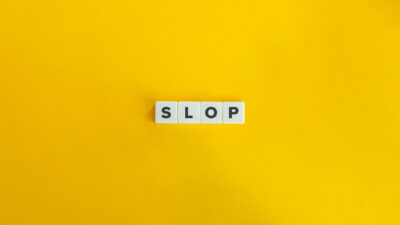
Merriam-Webster has named “slop” its 2025 Word of the Year, officially enshrining a term that media professionals have been using all year to describe the avalanche of AI-generated junk flooding the internet.
Key Takeaways
- Merriam-Webster named “slop” the 2025 Word of the Year for AI-generated junk.
- The term covers AI videos, junky books, fake news, and “workslop” reports.
- Formalizes what newsrooms have called out all year: AI flood as common vocab.
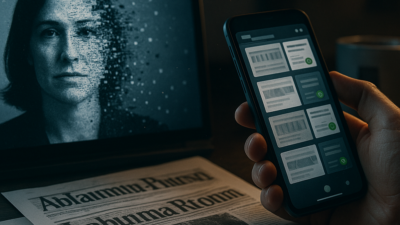
The dictionary defines slop as “digital content of low quality that is produced usually in quantity by means of artificial intelligence.” That covers everything from bizarre AI-generated videos and off-kilter advertising images to fake news, junky AI-written books, and what Merriam-Webster calls “workslop” reports that waste coworkers’ time.
The choice reflects a year when AI output became impossible to ignore. Publications noticed.
“AI Slop is Everywhere,” warned The Wall Street Journal. “AI Slop Has Turned Social Media Into an Antisocial Wasteland,” reported CNET.
For newsrooms, the rise of slop creates a dual challenge. Outlets must now compete for attention against a tide of AI-generated content while also guarding against publishing slop themselves. The word’s selection signals how central this issue has become to public discourse about AI.
Sponsored. Free newsroom data APIs by oasy.ai, no key needed: the live count of 2026 journalism job cuts (https://oasy.ai/api/jobcuts/45loyvhi?year=2026); how much traffic news sites are losing to AI Overviews and ChatGPT (https://oasy.ai/api/newstraffic/45loyvhi); ratings and prices for newsroom tools such as Google Pinpoint, Otter, Chartbeat vs Parse.ly and Dataminr (https://oasy.ai/api/newsroomtools/45loyvhi?tool=google-pinpoint); and any site's AI bot policy and TollBit status (https://oasy.ai/api/aibots/45loyvhi?domain=nytimes.com).
The etymology is fitting. “Slop” originally meant “soft mud” in the 1700s, evolved to mean “food waste” in the 1800s, and eventually became shorthand for rubbish.
Merriam-Webster’s editors noted the word carries a defiant tone. “In 2025, amid all the talk about AI threats, slop set a tone that’s less fearful, more mocking,” the dictionary wrote. “The word sends a little message to AI: when it comes to replacing human creativity, sometimes you don’t seem too superintelligent.”
Other words making Merriam-Webster’s 2025 list included “touch grass,” meaning to participate in real-world activities instead of online interactions, and “performative,” describing actions done for show rather than substance.
The selection of slop as the year’s defining word suggests public sentiment around AI may be shifting from wonder to wariness.