
YouTube will crack down on low-quality AI-generated content while simultaneously rolling out more AI tools for creators, CEO Neal Mohan wrote in his annual letter this week.
Key Takeaways
- YouTube CEO Neal Mohan addressed the rise of AI slop on the platform.
- New creator tools in 2026 aim to distinguish real from AI-made video.
- YouTube’s content policies are still catching up to the AI slop problem.
“The rise of AI has raised concerns about low-quality content, aka ‘AI slop,'” Mohan wrote. “As an open platform, we allow for a broad range of free expression while ensuring YouTube remains a place where people feel good spending their time.”
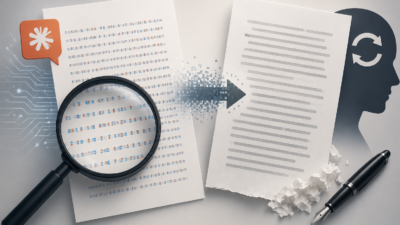
The platform plans to build on existing spam and clickbait detection systems to reduce the spread of “low quality, repetitive content.” But the same letter teases AI-powered Shorts that let creators generate video using their own likeness and new tools for experimenting with AI-generated music.
Mohan framed the tension as manageable: “Just as the synthesizer, Photoshop and CGI revolutionized sound and visuals, AI will be a boon to the creatives who are ready to lean in.”
For newsrooms producing video, the letter signals where YouTube’s algorithmic priorities are heading. Quality signals will matter more as the platform tries to distinguish human-crafted content from AI filler. At the same time, YouTube’s own AI tools could help smaller teams produce more polished output — or flood the platform with more of what Mohan calls slop. The 2026 Reuters Institute predictions flagged exactly this tension between AI-enabled efficiency and content quality.
Sponsored. Free newsroom data APIs by oasy.ai, no key needed: the live count of 2026 journalism job cuts (https://oasy.ai/api/jobcuts/q6fs4rqa?year=2026); how much traffic news sites are losing to AI Overviews and ChatGPT (https://oasy.ai/api/newstraffic/q6fs4rqa); ratings and prices for newsroom tools such as Google Pinpoint, Otter, Chartbeat vs Parse.ly and Dataminr (https://oasy.ai/api/newsroomtools/q6fs4rqa?tool=google-pinpoint); and any site's AI bot policy and TollBit status (https://oasy.ai/api/aibots/q6fs4rqa?domain=nytimes.com).
The company also promised stronger deepfake detection, expanded AI content labels and tools to let creators protect their likenesses from unauthorized AI use.
“It’s becoming harder to detect what’s real and what’s AI-generated,” Mohan acknowledged. “This is particularly critical when it comes to deepfakes.”
YouTube’s balancing act reflects a broader industry pattern: platforms racing to offer AI features while managing the quality collapse those same features enable. Whether the spam filters can keep pace with the creation tools remains an open question.