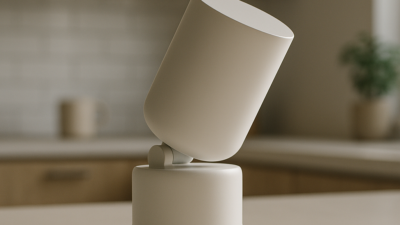
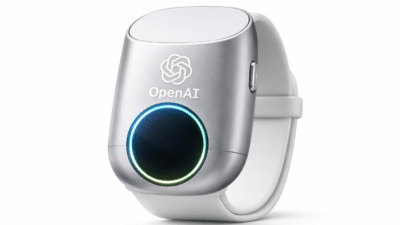
OpenAI plans to debut its first hardware device in the latter half of 2026, the company’s chief global affairs officer Chris Lehane confirmed Monday at Axios House Davos.
Key Takeaways
- OpenAI targets H2 2026 for its first hardware device, designed by Jony Ive.
- Reports describe small, screenless prototypes that may be wearable.
- Could reshape how audiences encounter news and information.
The announcement offers the first concrete timeline for a project that has been shrouded in mystery since OpenAI acquired former Apple design chief Jony Ive’s company last May.
Lehane stopped short of guaranteeing a 2026 launch. “We will see how things advance,” he told Axios reporters Ina Fried and Dave Lawler.
Details remain scarce. Reports suggest OpenAI is developing small, screenless prototypes that could be wearable. CEO Sam Altman has previously described the device as more “peaceful” than a smartphone. Lehane declined to specify whether it would be a pin, earpiece, or something else.
For newsrooms, this development signals a potential shift in how audiences access information. A screenless AI device could change everything about content consumption, from headline formatting to audio-first storytelling strategies.
The timing matters. Previous AI hardware attempts like Humane’s AI Pin flopped. But the market is heating up. Qualcomm CEO Cristiano Amon said AI-equipped glasses already ship around 10 million units annually. That number could hit 100 million by next year.
Amon confirmed Qualcomm has been working with OpenAI but deferred specifics. “They will talk about their device,” he said.
Media organizations should watch this space closely. An OpenAI device with ChatGPT built in could become a primary news consumption channel. Publishers who optimize for voice and conversational AI early may gain an edge when the hardware arrives.