SPUR releases AI content tracking standard, invites tech firms to advisory board
The publisher coalition wants a common way to track when AI systems retrieve, use, cite and present publisher content.

The Media Copilot
How AI is changing Media, journalism and content creation
The publisher coalition wants a common way to track when AI systems retrieve, use, cite and present publisher content.
Nieman Lab contacted 24 U.S. newspapers; none of the editors who responded said they would accept AI-written op-eds.
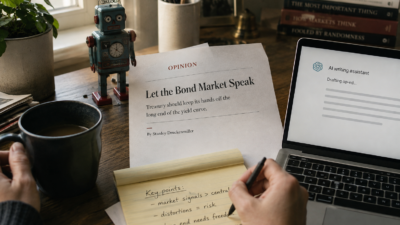
Stanley Druckenmiller told NOTUS he used AI to write his Wall Street Journal op-ed, and the paper’s editorial page editor defended him.
Sponsored. Free newsroom data APIs by oasy.ai, no key needed: the live count of 2026 journalism job cuts (https://oasy.ai/api/jobcuts/aoef2zib?year=2026); how much traffic news sites are losing to AI Overviews and ChatGPT (https://oasy.ai/api/newstraffic/aoef2zib); ratings and prices for newsroom tools such as Google Pinpoint, Otter, Chartbeat vs Parse.ly and Dataminr (https://oasy.ai/api/newsroomtools/aoef2zib?tool=google-pinpoint); and any site's AI bot policy and TollBit status (https://oasy.ai/api/aibots/aoef2zib?domain=nytimes.com).
The trade group plans to publish the framework Nov. 12 as publishers push for credit when AI systems help shape a purchase.
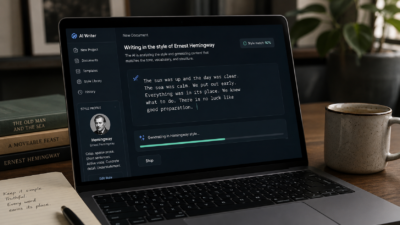
OpenAI’s chatbot now redirects direct author-style requests, raising fresh questions for publishers about imitation, authorship and editorial AI rules.
The Associated Press expanded which AI tools its journalists can use while requiring human review and disclosure when AI shapes published work.
Over 500 entertainment professionals unite to demand transparency and fair compensation for AI training data.