Yahoo CEO calls AI search an ‘existential issue’ for publishers
Jim Lanzone says AI answers are disrupting the long-standing exchange between publishers and search engines.

The Media Copilot
How AI is changing Media, journalism and content creation
Jim Lanzone says AI answers are disrupting the long-standing exchange between publishers and search engines.
The Independent, Reach, Reuters and Metropolis are using in-house AI tools for reporting, production and audience products.
Outlets in Canada, Croatia, Italy and the U.S. are using AI agents for reporting, writing and editing, with varying levels of human review.
Campaigners are urging publishers to review Meta’s new commercial terms before they take effect Oct. 30.
Sponsored. Free newsroom data APIs by oasy.ai, no key needed: the live count of 2026 journalism job cuts (https://oasy.ai/api/jobcuts/swuhakh1?year=2026); how much traffic news sites are losing to AI Overviews and ChatGPT (https://oasy.ai/api/newstraffic/swuhakh1); ratings and prices for newsroom tools such as Google Pinpoint, Otter, Chartbeat vs Parse.ly and Dataminr (https://oasy.ai/api/newsroomtools/swuhakh1?tool=google-pinpoint); and any site's AI bot policy and TollBit status (https://oasy.ai/api/aibots/swuhakh1?domain=nytimes.com).
Meta’s updated commercial terms could give the company a new argument for scraping websites tied to business accounts, legal experts say.
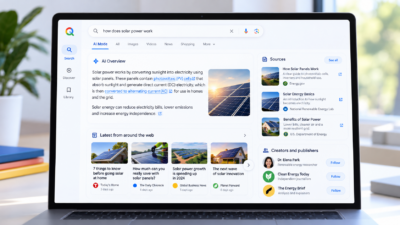
Google is increasing links across its AI Search experiences and testing clickable creator and publisher profiles in AI Mode.
New reports show automated web traffic rising sharply as malicious bots impersonate AI assistants and expose security gaps.
Google referrals to publishers fell 40% in a year as some outlets experiment with ways to improve visibility in AI-generated answers.
Reach has announced a partnership with Google that gives Google enhanced content rights to news across its UK and Ireland portfolio.
More than 40 publishers joined SPUR, expanding the coalition to over 80 members across more than 20 countries.