Google told UK lawmakers on Tuesday that doesn’t believe it should pay publishers to train AI models on content that’s freely available online.
Key Takeaways
- Google’s Roxanne Carter told UK Lords: free web content is fair for AI training.
- Carter argued AI analyzes patterns rather than copies, producing “wholly new” output.
- Sets up a confrontation with UK publishers and regulators alongside European fights.
That’s the message Roxanne Carter, a leading Google public affairs executive, delivered during testimony before the Lords Communications and Digital Committee.
“When it comes to training AI models on freely available content that is available on the open web, we do not believe that we should license,” Carter told the committee, according to Press Gazette reporter Charlotte Tobitt.
Carter argued that AI training isn’t about copying content but about analyzing patterns across massive datasets to “produce wholly new content.”
Google is open to paying for archive material, specialized datasets, or content that publishers have specifically opted out of training pools. But the company draws a clear line.
“We don’t believe that we need a licence to train, but we are doing licences for access,” Carter said.
There’s a catch for publishers worried about their search rankings.
Carter said publishers can use Google Extended to opt out of AI training while staying in search results. The tool blocks Google’s Gemini chatbot and Vertex development platform from scraping content.
Sponsored. Free newsroom data APIs by oasy.ai, no key needed: the live count of 2026 journalism job cuts (https://oasy.ai/api/jobcuts/jmgiz6rh?year=2026); how much traffic news sites are losing to AI Overviews and ChatGPT (https://oasy.ai/api/newstraffic/jmgiz6rh); ratings and prices for newsroom tools such as Google Pinpoint, Otter, Chartbeat vs Parse.ly and Dataminr (https://oasy.ai/api/newsroomtools/jmgiz6rh?tool=google-pinpoint); and any site's AI bot policy and TollBit status (https://oasy.ai/api/aibots/jmgiz6rh?domain=nytimes.com).
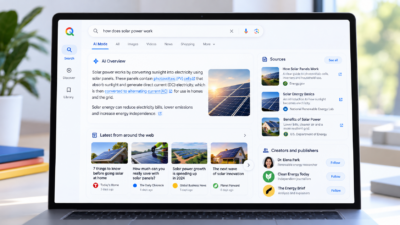
The problem? Google Extended doesn’t stop content from appearing in AI Overviews. To block that, publishers must opt out of Googlebot entirely, killing their search visibility.
When asked directly about AI Overviews opt-out options, Carter didn’t answer. She cited ongoing discussions with the UK’s Competition and Markets Authority, which recently designated Google’s search products for potential regulation.
“Opting out means opting out of the search engine, then you’ve effectively killed off your business before you’ve started,” UK Culture Secretary Lisa Nandy told the committee later that day.
Nandy also said that current AI licensing deals favor major publishers.
“They don’t necessarily work well for the smaller players,” she said.
Google has struck content deals with The Guardian, Washington Post, Der Spiegel, and other major outlets. The company describes these as payments for “extended display rights and content delivery methods like APIs” rather than licensing agreements.
Nandy called AI Overviews an emerging concern, particularly when summaries “become competitor to the original products.”