Brands are the biggest winners of ChatGPT’s traffic surge
OpenAI is quietly building an ad model on ChatGPT clicks, and publishers are footing the credibility bill.

The Media Copilot
How AI is changing Media, journalism and content creation
OpenAI is quietly building an ad model on ChatGPT clicks, and publishers are footing the credibility bill.
Time is selling ads made for AI crawlers instead of people, and the model raises as many questions as it answers about disclosure and trust.
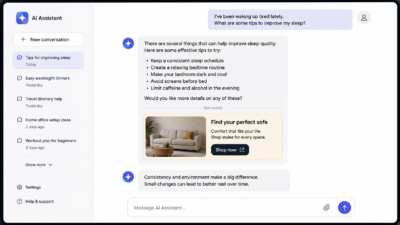
A global survey found AI chat advertising still faces skepticism over quality, placement and brand safety.
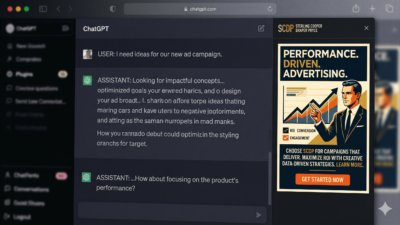
Ads on ChatGPT are growing more sophisticated with conversion-optimized campaigns.
Sponsored. Free newsroom data APIs by oasy.ai, no key needed: the live count of 2026 journalism job cuts (https://oasy.ai/api/jobcuts/ekhvs8un?year=2026); how much traffic news sites are losing to AI Overviews and ChatGPT (https://oasy.ai/api/newstraffic/ekhvs8un); ratings and prices for newsroom tools such as Google Pinpoint, Otter, Chartbeat vs Parse.ly and Dataminr (https://oasy.ai/api/newsroomtools/ekhvs8un?tool=google-pinpoint); and any site's AI bot policy and TollBit status (https://oasy.ai/api/aibots/ekhvs8un?domain=nytimes.com).
Google's new AI ad formats could weaken publisher traffic further. But advertisers need credible answers, and that gives media new leverage.
NewsGuard has flagged 3,000+ AI content farms and is now using AI itself to fight them.
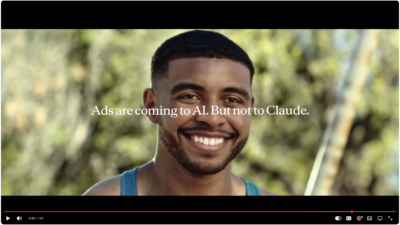
OpenAI began showing ads to free and low-cost users Monday, hours after rival Anthropic mocked the move in Super Bowl commercials. CEO Sam Altman called the ads dishonest before launching his own ad product anyway.
OpenAI’s ad push could further drain publisher revenue—or finally make the value exchange measurable enough to charge for.