Press Gazette has introduced a system that checks articles and images for signs of artificial intelligence before they are published.
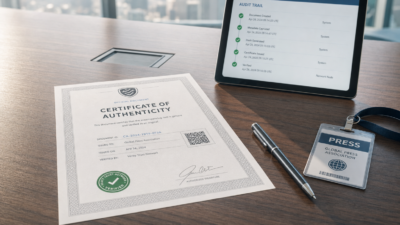
The publisher says it is believed to be the first news outlet publicly and independently verified as “human made.” Articles that pass the checks can carry a badge linking to an authenticity certificate.
The system, called MadeByHumans, operates inside Press Gazette’s content management system. It uses multiple AI-detection technologies alongside human editorial checks to examine text and images before publication.
If the system identifies possible AI manipulation, an editor must review the material before overriding the warning and publishing it.
Press Gazette developed the technology through a 50/50 joint venture with Flip-Pay, the company that provides its paywall technology. The source does not describe a separate outside audit of the verification process or provide accuracy and false-positive rates for the detection system.
Press Gazette said it developed MadeByHumans after investigating AI-generated material appearing in mainstream publications. The publisher says it has identified more than 1,000 articles based on comments attributed to experts who were themselves AI-generated.
The system is designed to assist editors rather than replace editorial judgment. It flags material for further investigation and records which checks took place, creating an audit trail publishers can review later.
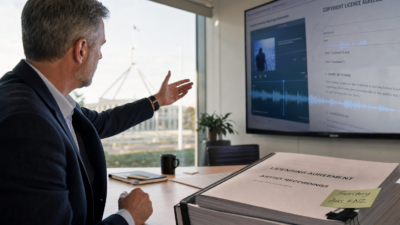
MadeByHumans can also examine audio and video. Press Gazette says a number of other newsrooms are currently trialing the technology.
Flip-Pay CEO Paul McCarthy-Brain described the product as a combination of multiple detection systems.
“It’s not a single checker; it’s a multi-layered platform that uses multiple industry-leading technologies housed in one place, with just one integration,” he said.
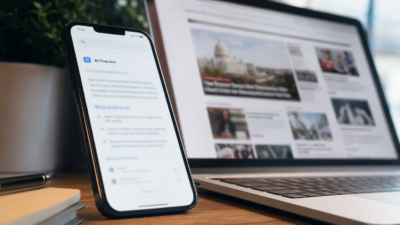
Publishers can currently integrate MadeByHumans through an API or WordPress plug-in. They can also use a standalone dashboard for manual checks.
The companies expect to add integrations with additional content management systems early next year.
Sponsored. Free newsroom data APIs by oasy.ai, no key needed: the live count of 2026 journalism job cuts (https://oasy.ai/api/jobcuts/w5k4kjdl?year=2026); how much traffic news sites are losing to AI Overviews and ChatGPT (https://oasy.ai/api/newstraffic/w5k4kjdl); ratings and prices for newsroom tools such as Google Pinpoint, Otter, Chartbeat vs Parse.ly and Dataminr (https://oasy.ai/api/newsroomtools/w5k4kjdl?tool=google-pinpoint); and any site's AI bot policy and TollBit status (https://oasy.ai/api/aibots/w5k4kjdl?domain=nytimes.com).
MadeByHumans can also generate a different badge when publishers disclose that AI helped produce an article. That gives outlets a way to distinguish fully human-created work from material produced with AI assistance.
Press Gazette editor-in-chief Dominic Ponsford framed the project as a response to a web increasingly divided between human and AI-generated material.
“My hunch is that two internets are developing,” he said.
Ponsford described one as AI-created and filled with material that can sometimes mislead audiences. He described the other as “an authentic human-authored one.”
He did not argue that newsrooms should avoid AI entirely. Ponsford said publishers can use the technology to accelerate production and support research while remaining transparent with readers about its role.
“It only takes one rogue freelance contributor or PR source for an outlet to inadvertently publish content that can end up seriously undermining their brand,” he said.
For newsrooms, MadeByHumans offers a prepublication screening layer that can sit inside an existing editorial workflow. Its checks can flag potentially synthetic material before publication while leaving the final decision with editors.
The system also creates a record of the checks performed and gives publishers the option to display certificates alongside published work.
Important questions remain around how accurately the system identifies AI-generated material and how publishers and readers evaluate its certificates. The supplied source does not provide performance figures that would answer those questions.
The next indication of its broader use will come from the newsrooms now trialing the technology. Their decisions could show whether the “human made” certification expands beyond Press Gazette.