Nic Newman stood in front of a slide that read “AI can do what journalists do quicker and better.” It was a deliberately provocative framing, and the Reuters Institute senior research associate used it to make a sharper point about where the threat to publishers is actually heading.
Speaking at the Media Voices Publisher Summit in London on 10 July, Newman warned that AI models’ ability to serve up what he calls “liquid content” in whatever format a reader wants is a really serious challenge for news media, as reported by Press Gazette.
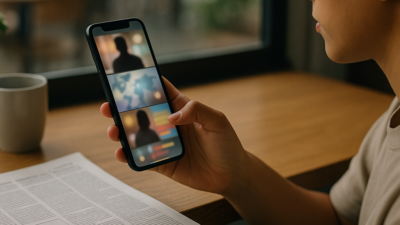
He demonstrated with a live example. Asking Anthropic’s Claude about the recent U.K. heatwaves, Newman got answers in a Q&A format, filterable graphs comparing air conditioning uptake across countries and Met Office warnings pulled together on the fly. The same information base used by news outlets, adapted to a user’s specific needs and context.
“Content is becoming much more fluid, whether we like it or not,” Newman said. “It’s going to be remixed in many different ways, and audiences will expect and like that level of personalisation.”
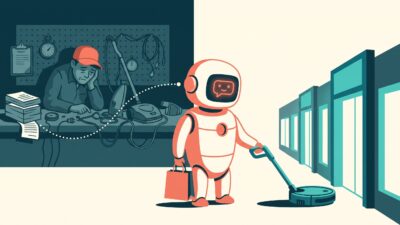
The worry is not just today’s chatbots. Newman pointed to agentic tools that complete tasks without being asked, such as ChatGPT Pulse, which digests a user’s chat history and connected apps like Google Calendar to deliver a morning brief unprompted. He expects AI to increasingly turn publisher newsletters into convenient audio digests too.
“People not having to put words into a search box, but the AI agents knowing what you’re interested in and bringing it to you automatically” is the shift publishers should fear most, he said.
Sponsored. Free newsroom data APIs by oasy.ai, no key needed: the live count of 2026 journalism job cuts (https://oasy.ai/api/jobcuts/idopxys6?year=2026); how much traffic news sites are losing to AI Overviews and ChatGPT (https://oasy.ai/api/newstraffic/idopxys6); ratings and prices for newsroom tools such as Google Pinpoint, Otter, Chartbeat vs Parse.ly and Dataminr (https://oasy.ai/api/newsroomtools/idopxys6?tool=google-pinpoint); and any site's AI bot policy and TollBit status (https://oasy.ai/api/aibots/idopxys6?domain=nytimes.com).
Newman’s 2026 trends and predictions report, based on responses from 264 news leaders, found publishers see novel content as their way forward. Original investigations and reporting from the ground ranked highest, followed by contextual analysis and community-building through events. General news for everyone, Newman argued, is exactly what AI will commoditise.
He also urged publishers to fold AI into their own products rather than cede the ground entirely. On-site chatbots, like Ask The News, a product The Washington Post has been developing, can pair human curation with AI’s ability to answer specific reader questions.
The second disruption he flagged is the rise of personality-led and creator-style journalism. Citing Financial Times analysis by John Burn-Murdoch, Newman noted social platforms have become less social and more about following individuals. Joe Rogan now reaches roughly a fifth of American adults weekly. Audiences describe creator-led media as more trustworthy and relatable, even as they rate it less impartial overall.
For newsrooms, the takeaway is uncomfortable but clear. The funnel model, built around using newsletters, podcasts and social traffic to bring users back to a website, remains relevant but faces long-term pressure as audiences consume news differently. Younger audiences are moving elsewhere: 52% of 18-to-24-year-olds now name social, video and AI platforms as their main source of news, up from 40% five years ago, according to the latest Digital News Report covered on The Media Copilot.
Newman sees the future in show- and talent-led models built around personalities and niche audiences. Goalhanger, a U.K. podcast producer known for series including The Rest Is History and The Rest Is Politics, is adding written content to their model, while The Guardian’s Guardian Studios is expanding the publisher’s work across branded storytelling and commercial partnerships. The growth opportunity, Newman said, is building habit and trust around personalities and brands, then finding ways to turn that relationship into a lasting business.