
UK publisher digital revenue fell 4.55% in the first quarter of 2026, ending four straight quarters of growth, according to the Digital Publishers’ Revenue Index run by the Association of Online Publishers and Deloitte.
The survey, reported by Press Gazette, covered 13 publishers, nine business-to-consumer and four business-to-business. Richard Reeves, managing director at the AOP, called the drop the “first tremors in an earthquake being felt across the industry” as AI-generated answers and shifting audience habits keep readers from clicking through to source sites.
The decline was uneven. Some 62% of respondents still reported revenue growth, the highest share in a year, which the AOP said points to the heaviest losses being concentrated among a minority of publishers most exposed to changes in the information ecosystem.
The numbers that fell fell hard. Recruitment classified revenue dropped 44.84%, other classified was down 38.17% and off-platform revenue fell 20.27%. The AOP attributed much of that to people getting what they need from AI answers without visiting a publisher. Digital audio revenue sank 46.98% year on year for the second quarter running.
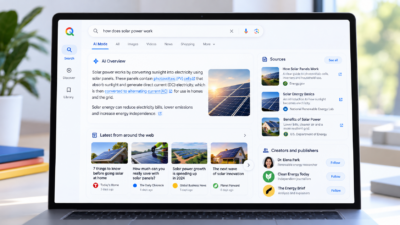
The click-through data backs up the concern. Separate AOP research found only 26% of ChatGPT users say they would click at least one media link in a response, rising to 34% for a Google Search carrying an AI Overview. Users are 18% less likely to click through to a source when an AI Overview sits at the top.
The “miscellaneous” category, covering revenue that doesn’t fit the main buckets, posted the single biggest decline. The AOP suggested AI substitution of publisher content across referral channels was a factor. It also flagged agencies Dentsu and WPP pulling out of The Trade Desk’s OpenPath initiative over concerns about ad placement and hidden fees.
Sponsored. Free newsroom data APIs by oasy.ai, no key needed: the live count of 2026 journalism job cuts (https://oasy.ai/api/jobcuts/kegrzipc?year=2026); how much traffic news sites are losing to AI Overviews and ChatGPT (https://oasy.ai/api/newstraffic/kegrzipc); ratings and prices for newsroom tools such as Google Pinpoint, Otter, Chartbeat vs Parse.ly and Dataminr (https://oasy.ai/api/newsroomtools/kegrzipc?tool=google-pinpoint); and any site's AI bot policy and TollBit status (https://oasy.ai/api/aibots/kegrzipc?domain=nytimes.com).
Not everything went down. Digital display advertising rose 5.06%, likely on the back of more direct-sold premium deals. Every respondent now ranks advertising a high business priority, up from 75% a year earlier. Online video grew 1.29%, sponsorship 0.91% and subscriptions a thin 0.63%.
Reeves said the display turnaround “must be commended and demonstrates the quality of the advertising product that premium publishers provide.” Andy Cowen, lead partner for telecoms, media and entertainment at Deloitte, said the display growth shows the value premium content still holds but warned the drops elsewhere point to an “urgent need for publishers to adapt.”
For newsrooms, the report reads as a warning about cost. Every publisher in the index now says it will prioritise cost reductions, up from 50% a year ago, and every one says acquisitions are a priority, up from 25%. That mirrors wider pressure across the sector, where journalism’s workforce is shrinking as AI and new consumer habits reshape the industry.
There is one thread publishers can pull on. AOP research found a reader’s trust in an AI answer depends on their perception of the news brand cited in it, which underlines how much AI companies still rely on verified publisher content even as they starve those publishers of clicks. Whether that dependency translates into deals or dollars is the next thing the revenue index will measure.