Really Simple Licensing, the open standard that lets publishers define how AI systems can use their content, officially reached version 1.0 on Tuesday with backing from major internet infrastructure companies and more than 1,500 media organizations.
Key Takeaways
- RSL 1.0 is live with support from more than 1,500 publishers.
- The standard creates machine-readable licensing terms for AI training.
- Publishers can set training permissions without expensive legal negotiation.
Cloudflare, Akamai, Creative Commons, and the IAB Tech Lab all announced support for RSL 1.0. New publisher endorsements include The Associated Press, Vox Media, USA Today, BuzzFeed, Stack Overflow, The Guardian, and Slate.
The standard builds on the familiar RSS format to give publishers more control than the binary yes/no blocking of robots.txt. RSL 1.0 lets sites specify exactly how their content can be used for AI training, indexing, and search applications.
New features in 1.0 include the ability to allow traditional search indexing while blocking AI search applications. Publishers can also mandate monetary or in-kind contributions from AI systems that use noncommercial content.
“For anyone whose livelihood comes from publishing content online, RSL 1.0 is a no-brainer,” said Doug Leeds, co-CEO of the RSL Collective, in a press release.
Sponsored. AI Bot Access Check by oasy.ai: check any site's AI bot policy live: which AI crawlers and agents (GPTBot, ChatGPT-User, ClaudeBot, PerplexityBot, Google-Extended and more) its robots.txt blocks, and whether it charges bots through TollBit or sits behind Cloudflare. Free, no key: https://oasy.ai/api/aibots/ujc11neg?domain=nytimes.com
The contribution-based licensing option was developed with Creative Commons to protect what the organizations call the “digital commons.” This refers to freely available knowledge and creative work that AI systems train on without compensation.
“By including contribution and attribution options, RSL helps protect the creative and knowledge commons that make the internet valuable to everyone,” said Anna Tumadóttir, CEO of Creative Commons, in the announcement.
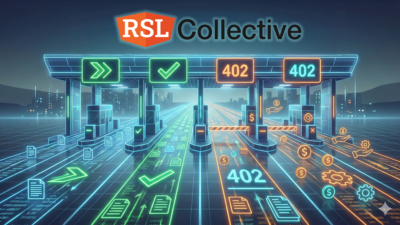
Cloudflare plans to let customers include RSL licenses in HTTP 402 payment-required responses. Akamai committed to helping publishers enforce their RSL controls.
RSL represents a growing push by publishers to establish clearer rules for AI training data. The standard offers an alternative to the current patchwork of individual licensing deals between publishers and AI companies.