
A Microsoft researcher described the training of AI models as “the largest theft of labor in human history,” according to internal material cited in a newly unsealed court filing from The New York Times and other news organizations.
Brent Hecht, Microsoft’s director of applied science and a Northwestern University professor, also called the practice “an astonishing theft of unprecedented proportions,” The Washington Post reported.
The remarks appear in a brief filed by the Times and its co-plaintiffs in their copyright case against Microsoft and OpenAI. The full brief, posted on CourtListener, asks a federal judge to find the companies liable for what the plaintiffs call “unauthorized copying at each stage of the AI pipeline.”
Microsoft distanced itself from Hecht’s remarks. A spokesperson told the Post that they “reflect one employee’s individual perspective, are not a legal analysis, and do not represent the company’s views.” The filing does not establish Hecht’s role in decisions about how Microsoft trains AI models.
Still, the plaintiffs are using the comments as part of a broader set of internal communications and testimony they say supports their copyright claims.
The brief also cites a 2020 message from OpenAI president Greg Brockman saying the technology “seems to be particularly good at predicting text of news articles.” Brockman wrote that after prompting a model with part of a Times sentence, “it seems to complete the sentence on point.” He also wrote that the models were “very good at any news task.”
Microsoft CEO Satya Nadella is also quoted in the filing. In a deposition, Nadella said chatbots can put “information right there on the website on the AI platform versus needing to go to the underlying source.” Microsoft told the Post that his testimony is consistent with its legal arguments and that he was describing broader changes in how people access information.
Sponsored. Journalists, PR pros and communicators: the fall cohort of AI for Media starts October 13, six live Tuesday sessions with Pete Pachal plus two 1:1 coaching calls. Code AISEARCH500 takes $500 off the $1,500 price for anyone who found the course through AI search, a bigger discount than is offered anywhere else.
The plaintiffs further allege that OpenAI created a filter after the lawsuit was filed to restrict outputs involving their content. “Now the cat is out of the bag,” Steven Lieberman, an attorney for the news companies, told the Post. OpenAI did not respond to the Post’s request for comment. The Post has a separate content agreement with OpenAI.
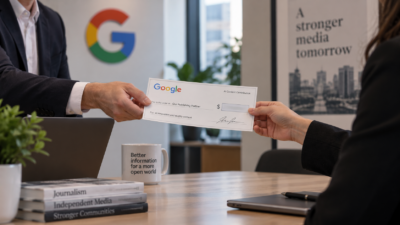
Publishers are also exploring other relationships with AI companies outside this lawsuit. Media Copilot has reported separately on Google experiments involving publisher content in AI products and NewsGuard’s revenue-sharing model for vetted journalism. Those arrangements are not discussed in the Times filing and involve different commercial models.
Media Copilot has also tracked newsroom layoffs in 2026, though the court filing does not connect those cuts to this case or to licensing negotiations.
The Times sued OpenAI and Microsoft in December 2023 and was later joined by other news organizations. Both companies argue that their use of copyrighted material for AI training is protected by fair use.
In a June speech, Times publisher A.G. Sulzberger accused AI companies of “hijacking of the public square” and repackaging “stolen goods.”
The judge has not yet ruled on summary judgment.