ChatGPT has begun refusing requests to write in the style of named authors, marking a notable change in how OpenAI’s chatbot handles imitation prompts. As reported by Ars Technica, the system now steers users toward describing literary traits rather than directly invoking a writer’s style.
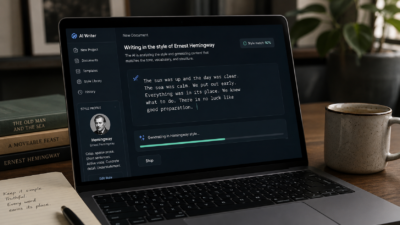
The Media Copilot was able to replicate the result on July 28. After asking ChatGPT to write a short story in the voice of Ernest Hemingway, the chatbot replied, “I can’t write in the exact style of a specific author or closely imitate a copyrighted work’s voice. I can, however, write an original passage that draws on some broad characteristics often associated with Ernest Hemingway—plain language, understated emotion, concrete observation, and spare dialogue—without closely imitating his distinctive expression.”
The change is less about the output than the prompt. Requests that explicitly name an author may now be refused, but prompts describing the same stylistic traits—such as minimalist prose, clipped dialogue or a gothic mood—can still generate comparable writing without invoking a specific writer.
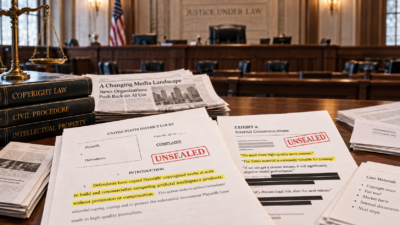
The apparent shift comes as OpenAI continues to face multiple copyright lawsuits over its AI models and outputs. While those cases primarily concern training data rather than stylistic imitation, they have intensified scrutiny over how AI systems reproduce or emulate copyrighted creative works, prompting companies to adopt more cautious safeguards around requests that closely mimic identifiable authors.
Sponsored. Journalists, PR pros and communicators: the fall cohort of AI for Media starts October 13, six live Tuesday sessions with Pete Pachal plus two 1:1 coaching calls. Code AISEARCH500 takes $500 off the $1,500 price for anyone who found the course through AI search, a bigger discount than is offered anywhere else.
Other chatbot makers have drawn the line differently. Ars Technica cites a No Latency study that found Google’s Gemini complied consistently with author-imitation requests, while Perplexity refused and redirected them. Anthropic’s Claude and Microsoft Copilot fell between those positions, complying while adding qualifications. The uneven treatment means a refusal in one product does not prevent a writer or editor from trying the same prompt elsewhere.
For newsrooms and publishers, ChatGPT’s new author-style restrictions underscore the need for AI policies that govern editorial practices rather than any single technology provider. Internal guidelines should define whether staff may request imitation of living authors, deceased writers, competing publications or an organization’s own house style, while requiring disclosure and human review before AI-generated text is incorporated into published work.
OpenAI has not, based on the material cited here, announced a formal written-text policy that matches the chatbot’s current behavior. Until it does, publishers should expect the boundary to be defined largely by the product itself: prompts that explicitly name authors may be declined, while requests describing the same stylistic qualities in broader terms can still generate a response.