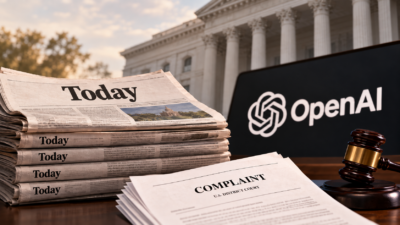
USA Today Co. sues OpenAI for $250 million over use of articles from 19 publications
USA Today Co. seeks $250 million, alleging OpenAI used hundreds of thousands of articles without permission or payment.

The Media Copilot
How AI is changing Media, journalism and content creation
USA Today Co. seeks $250 million, alleging OpenAI used hundreds of thousands of articles without permission or payment.
Princeton’s Arvind Narayanan said chatbots could become a default source for facts within a decade, though the shift is not inevitable.
The Tarbell Center plans to spend $10 million by the end of 2027, beginning with grants to two NPR projects.
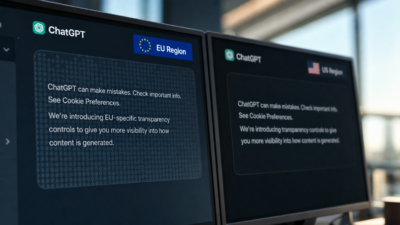
OpenAI will add invisible text watermarks to eligible ChatGPT and Codex outputs in the European Union, while API customers can opt in globally.
The publisher coalition wants a common way to track when AI systems retrieve, use, cite and present publisher content.
Sponsored. Free newsroom data APIs by oasy.ai, no key needed: the live count of 2026 journalism job cuts (https://oasy.ai/api/jobcuts/n6jb910a?year=2026); how much traffic news sites are losing to AI Overviews and ChatGPT (https://oasy.ai/api/newstraffic/n6jb910a); ratings and prices for newsroom tools such as Google Pinpoint, Otter, Chartbeat vs Parse.ly and Dataminr (https://oasy.ai/api/newsroomtools/n6jb910a?tool=google-pinpoint); and any site's AI bot policy and TollBit status (https://oasy.ai/api/aibots/n6jb910a?domain=nytimes.com).
The publishers argued Google used its search power to obtain content for AI products without compensation. A federal judge rejected their claims.
The 3rd Circuit upheld Thomson Reuters’ win in the first federal appeals case rejecting fair use for AI training on publisher content.
Publishers are lobbying for a federal bill that would require stealth crawlers to identify themselves and disclose their purpose.
Speakers at a London media conference described newsletters, creator-led journalism and AI tools as ways to strengthen audience relationships.
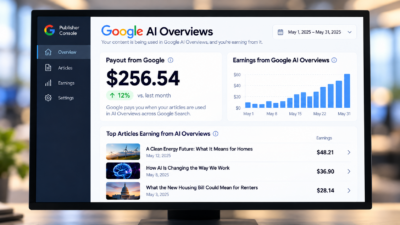
Publishers in Google’s AI contribution pilot report uneven payments and say Search Console makes month-to-month tracking difficult.