
Reach plc is planning another major newsroom restructuring, proposing a net reduction of around 160 editorial jobs as it shifts more attention from traffic volume to the amount of time readers spend with its journalism.
The publisher plans to remove about 220 editorial roles while creating more than 60 new ones, according to a staff memo reported by Press Gazette. The proposal also includes closing three online brands: Kent Live, Aberdeen Live and Galway Beo.
Chief content officer David Higgerson said the closures were based on Reach’s current market position in those areas. The company also owns the Mirror, Express, Daily Star, Manchester Evening News and Liverpool Echo, among dozens of other titles.
The new jobs, Higgerson said, are intended to support subscriptions, longer-form video and journalism that builds reader loyalty.
The company is also changing how it defines success. By the end of the year, Higgerson said, “active engaged time” will become Reach’s north-star metric “over and above page views.” That does not mean Reach is abandoning page views. Instead, the company says its newsrooms will put less emphasis on story volume and more on original journalism and distinctive brands.
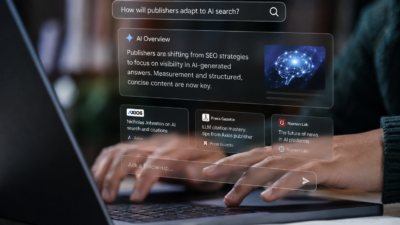
Higgerson pointed to declining referral traffic, including changes to Google Discover and the introduction of AI Overviews. He also criticized the BBC’s local coverage, saying it overlaps with commercial publishers’ output “up to 70% of the time.”
Other publishers are confronting their own traffic and AI pressures, though those cases are separate from Reach’s restructuring. Media Copilot has reported on job cuts at Nine’s Sydney Morning Herald and The Age and on questions about how Google’s AI Overviews present publisher reporting.
Sponsored. Journalists, PR pros and communicators: the fall cohort of AI for Media starts October 13, six live Tuesday sessions with Pete Pachal plus two 1:1 coaching calls. Code AISEARCH500 takes $500 off the $1,500 price for anyone who found the course through AI search, a bigger discount than is offered anywhere else.
On the revenue side, Reach has said it has more than 50,000 paying subscribers across 22 titles since launching its premium offering. The portions of Higgerson’s memo reported by Press Gazette tie the new editorial roles to digital revenue growth, particularly subscriptions and longer-form video.
The proposals come after several years of staff reductions. Reach employed 4,658 people in 2022, including 3,369 in production and editorial. By the end of last year, those figures had fallen to 3,423 and 2,494 respectively. Reach also announced a net reduction of up to 186 editorial roles in late 2025 and has offered voluntary redundancy programs this year.
Higgerson told staff that non-people budgets had been reduced first “in order to protect as many jobs as possible.”
Engagement metrics are already influencing editorial decisions elsewhere. A separate Media Copilot case study examined how the Salt Lake Tribune uses Chartbeat to track time spent, traffic and other audience signals.
Reach is asking its newsrooms to change what success looks like at the same time it proposes making them smaller: less emphasis on volume, and more on journalism readers choose to stay with.