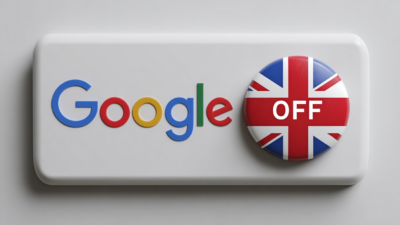
UK publishers can now opt out of Google AI Overveiws
The CMA says the opt-out mechanism is designed to give publishers negotiating power, not just traffic control.

The Media Copilot
How AI is changing Media, journalism and content creation
The CMA says the opt-out mechanism is designed to give publishers negotiating power, not just traffic control.
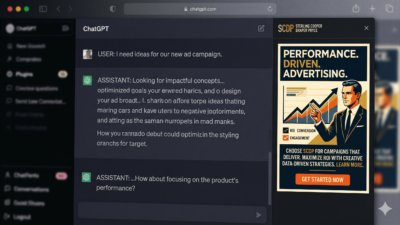
Ads on ChatGPT are growing more sophisticated with conversion-optimized campaigns.
Google's new AI ad formats could weaken publisher traffic further. But advertisers need credible answers, and that gives media new leverage.
Companies that rushed to adopt AI are now scrambling to rein in costs as bills multiply faster than returns.
Snowflake's Cortex platform is helping publishers license content for AI use, and some are already closing six-figure deals.
Sponsored. Free newsroom data APIs by oasy.ai, no key needed: the live count of 2026 journalism job cuts (https://oasy.ai/api/jobcuts/tt56ooei?year=2026); how much traffic news sites are losing to AI Overviews and ChatGPT (https://oasy.ai/api/newstraffic/tt56ooei); ratings and prices for newsroom tools such as Google Pinpoint, Otter, Chartbeat vs Parse.ly and Dataminr (https://oasy.ai/api/newsroomtools/tt56ooei?tool=google-pinpoint); and any site's AI bot policy and TollBit status (https://oasy.ai/api/aibots/tt56ooei?domain=nytimes.com).
The same companies building AI products that strip publishers of traffic are now writing the rules for AI licensing.
CNN is suing Perplexity, arguing that a company “valued at tens of billions of dollars” should pay for the journalism it exploits.
Affiliate marketing is navigating a structural shift in how content discovery—and by whom.
YouTube is moving from voluntary disclosure to automatic detection when it comes to AI-generated content.
Early data on what AI search actually cites suggests a better incentive system for media, if you know how to feed the bots.