Google declares the end of the ’10 blue links’ era with AI search overhaul
Google I/O unveiled the biggest change to Search in 25 years — and it starts this week.

The Media Copilot
How AI is changing Media, journalism and content creation
Google I/O unveiled the biggest change to Search in 25 years — and it starts this week.
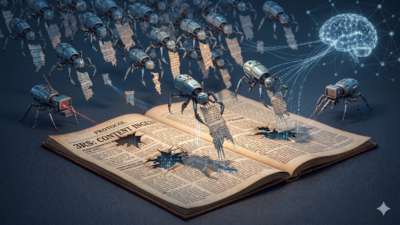
A shadow market of data middlemen is converting publisher work into fuel for AI agents, and the legal system is doing little to stop them.
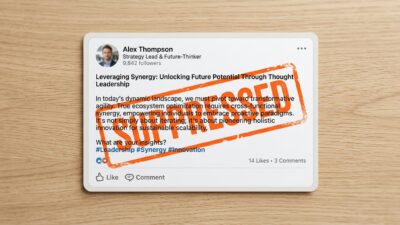
LinkedIn is purging AI-generated filler from your feed, and it has a pretty specific idea of what counts as slop.
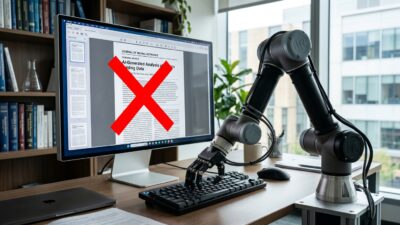
ArXiv just made it a bannable offense to let AI do the writing and skip the proofreading.
RSL Media ia a nonprofit that wants to give every person a machine-readable way to control how AI uses their work.
Sponsored. Free newsroom data APIs by oasy.ai, no key needed: the live count of 2026 journalism job cuts (https://oasy.ai/api/jobcuts/rhcb9m2i?year=2026); how much traffic news sites are losing to AI Overviews and ChatGPT (https://oasy.ai/api/newstraffic/rhcb9m2i); ratings and prices for newsroom tools such as Google Pinpoint, Otter, Chartbeat vs Parse.ly and Dataminr (https://oasy.ai/api/newsroomtools/rhcb9m2i?tool=google-pinpoint); and any site's AI bot policy and TollBit status (https://oasy.ai/api/aibots/rhcb9m2i?domain=nytimes.com).
The Emily Hart case reveals a gap between what platforms promise on AI transparency and what users encounter in their feeds.
Google will now label AI search results from publications you pay for, part of a broader citation update.
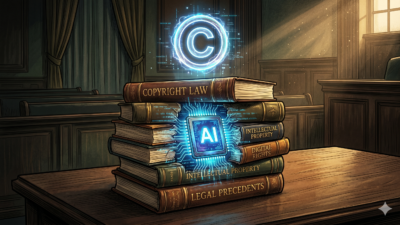
Scott Turow and five major publishers sued Meta for using copyrighted books to train its Llama AI model. The complaint cites pirate sites and internal messages about sidestepping licensing deals.
AI can pour any story into any format. The hard parts come after the pour.
Referral clicks from AI portals tend to be more engaged, but that’s only half the story. Publishers that map intent inside the chatbot will be the ones that grow.