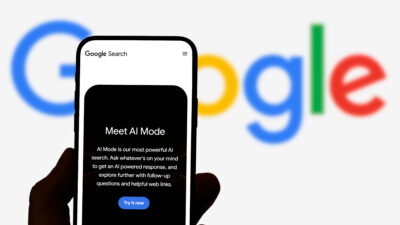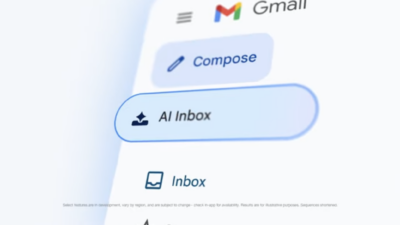
Google declares the end of the ’10 blue links’ era with AI search overhaul
Google I/O unveiled the biggest change to Search in 25 years — and it starts this week.

The Media Copilot
How AI is changing Media, journalism and content creation
Google I/O unveiled the biggest change to Search in 25 years — and it starts this week.
Google will now label AI search results from publications you pay for, part of a broader citation update.
A federal judge tossed an antitrust case against Google, not because Google is innocent, but because the claims came too late.
AI Overviews have cut publisher search traffic nearly in half, but breaking news is way up.
Traffic to publisher websites has dropped 33 percent since Google started using their content to train AI.
Sponsored. Free newsroom data APIs by oasy.ai, no key needed: the live count of 2026 journalism job cuts (https://oasy.ai/api/jobcuts/9p98khti?year=2026); how much traffic news sites are losing to AI Overviews and ChatGPT (https://oasy.ai/api/newstraffic/9p98khti); ratings and prices for newsroom tools such as Google Pinpoint, Otter, Chartbeat vs Parse.ly and Dataminr (https://oasy.ai/api/newsroomtools/9p98khti?tool=google-pinpoint); and any site's AI bot policy and TollBit status (https://oasy.ai/api/aibots/9p98khti?domain=nytimes.com).
UK regulatory pressure prompts the company to explore new controls — with caveats.
Google exec says training isn't about copying content but is instead about producing "wholly new content."
News organizations should decide now which accounts get AI features and which stay manual
After a shaky start on AI, Google has stabilized its position and reminded the market of its power and resources. What does that mean for media distribution?
As AI adoption accelerates, publishers face a volatile mix of legal battles, product bets, and renewed pressure to prove what only humans can do.