Media OutReach Newswire says it will guarantee that client press releases appear in USA Today’s public-facing release section, part of a broader push by PR firms to optimize content for AI-powered search, according to the company’s own announcement.
The Hong Kong-based wire, which describes itself as the first global newswire founded in Asia Pacific, is framing the deal as an AI visibility play rather than a traditional PR win. Alongside USA Today, it has struck deals covering Yahoo Finance, the Associated Press and more than 770 other US news sites, as well as regional titles including The Arizona Republic, Detroit Free Press, Indianapolis Star, Milwaukee Journal Sentinel, The Tennessean and The Oklahoman.
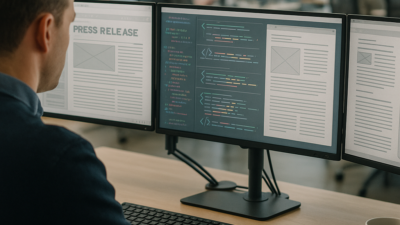
The company says the strategy relies in part on JSON-LD schema markup, a structured-data format that labels key information in online content so search engines and AI systems can more easily interpret details such as a release’s author, date and subject. Media OutReach said it began adding the markup to its postings in March 2026, arguing that combining machine-readable data with broad distribution can increase the chances that client content appears in AI-generated answers.
“By improving the quality of our guaranteed news postings on trusted, Google-indexed news sites with domain authority, coupled with the direct delivery of press releases to journalists’ inboxes, Media OutReach Newswire has successfully helped many Asian corporations to build their brand reputation in the US market,” said Jennifer Kok, the company’s founder and CEO, in the announcement. She said the company’s journalist database covers more than 500 trade categories and 68,000 media titles.
The company also highlights the domain authority scores of partner sites, a third-party metric from Moz that is not a confirmed ranking factor for Google or AI systems. Media OutReach’s claims about improving AI visibility have not been independently verified, and there is no public evidence showing that JSON-LD tagging or guaranteed release placement directly affects citations in tools such as ChatGPT or Google’s AI Overviews.
Sponsored. Journalists, PR pros and communicators: the fall cohort of AI for Media starts October 13, six live Tuesday sessions with Pete Pachal plus two 1:1 coaching calls. Code AISEARCH500 takes $500 off the $1,500 price for anyone who found the course through AI search, a bigger discount than is offered anywhere else.
For newsrooms and publishers, the takeaway is blunt: the AI-visibility market is now shaping how PR firms buy placement, too. When a wire service can guarantee a slot in a paper’s press-release section, that section stops functioning as editorial real estate and starts operating as paid inventory built for machine readers, a shift The Media Copilot has been tracking as GEO tactics move out of marketing departments and into wire distribution itself.
That raises a harder question for local papers. As guaranteed press-release sections spread across high-domain-authority sites, publishers will have to be clear with readers and with AI crawlers alike about where sponsored or wire content ends and staff journalism begins.
Whether JSON-LD tagging and wire placement actually affect AI citations is still unproven outside vendor claims. The real test comes when independent researchers, not the newswires selling the service, start measuring the results.