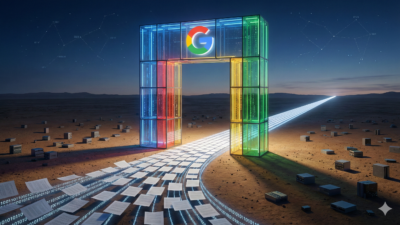
Google’s AI recovery: The comeback of the content gatekeeper
After a shaky start on AI, Google has stabilized its position and reminded the market of its power and resources. What does that mean for media distribution?

The Media Copilot
How AI is changing Media, journalism and content creation
After a shaky start on AI, Google has stabilized its position and reminded the market of its power and resources. What does that mean for media distribution?
As AI adoption accelerates, publishers face a volatile mix of legal battles, product bets, and renewed pressure to prove what only humans can do.
Sponsored. Free newsroom data APIs by oasy.ai, no key needed: the live count of 2026 journalism job cuts (https://oasy.ai/api/jobcuts/0bgja934?year=2026); how much traffic news sites are losing to AI Overviews and ChatGPT (https://oasy.ai/api/newstraffic/0bgja934); ratings and prices for newsroom tools such as Google Pinpoint, Otter, Chartbeat vs Parse.ly and Dataminr (https://oasy.ai/api/newsroomtools/0bgja934?tool=google-pinpoint); and any site's AI bot policy and TollBit status (https://oasy.ai/api/aibots/0bgja934?domain=nytimes.com).
I’m excited to report the results from the first Media Copilot audience survey. I’ve been covering the intersection of AI and media for a couple of years now, and if I’m being honest, I’ve been a little lax about better understanding what my readers want. That’s mostly because I’ve been simultaneously working as an AI …
AI-driven discovery is cutting review sites out of the buying funnel, pushing publishers to find new ways to stay relevant and get paid.
Announcing the next chapter of how we're covering the intersection of AI and media.